The definitive name in bespoke
luxury windows
RAYLAND DOORS & WINDOWS,
founded in 1995, has nearly 30
years of craftsmanship, evolving
from solid wood to premium
aluminum-clad wood.
China’s only steel/copper-focused integrated
enterprise, with six production lines, 15,000+
m² annual capacity, and a blend of robotic
and handcrafted production.
Product Display
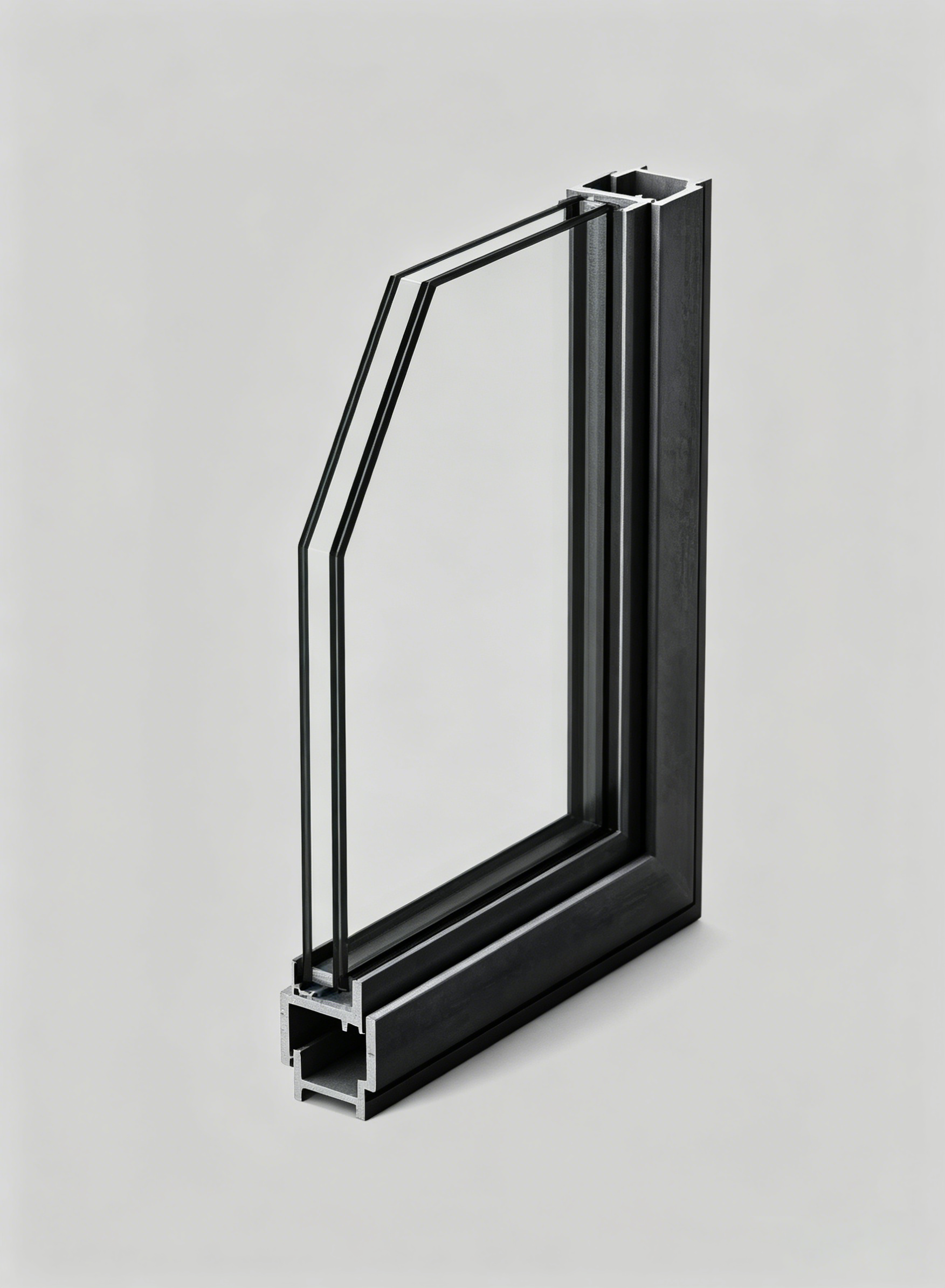
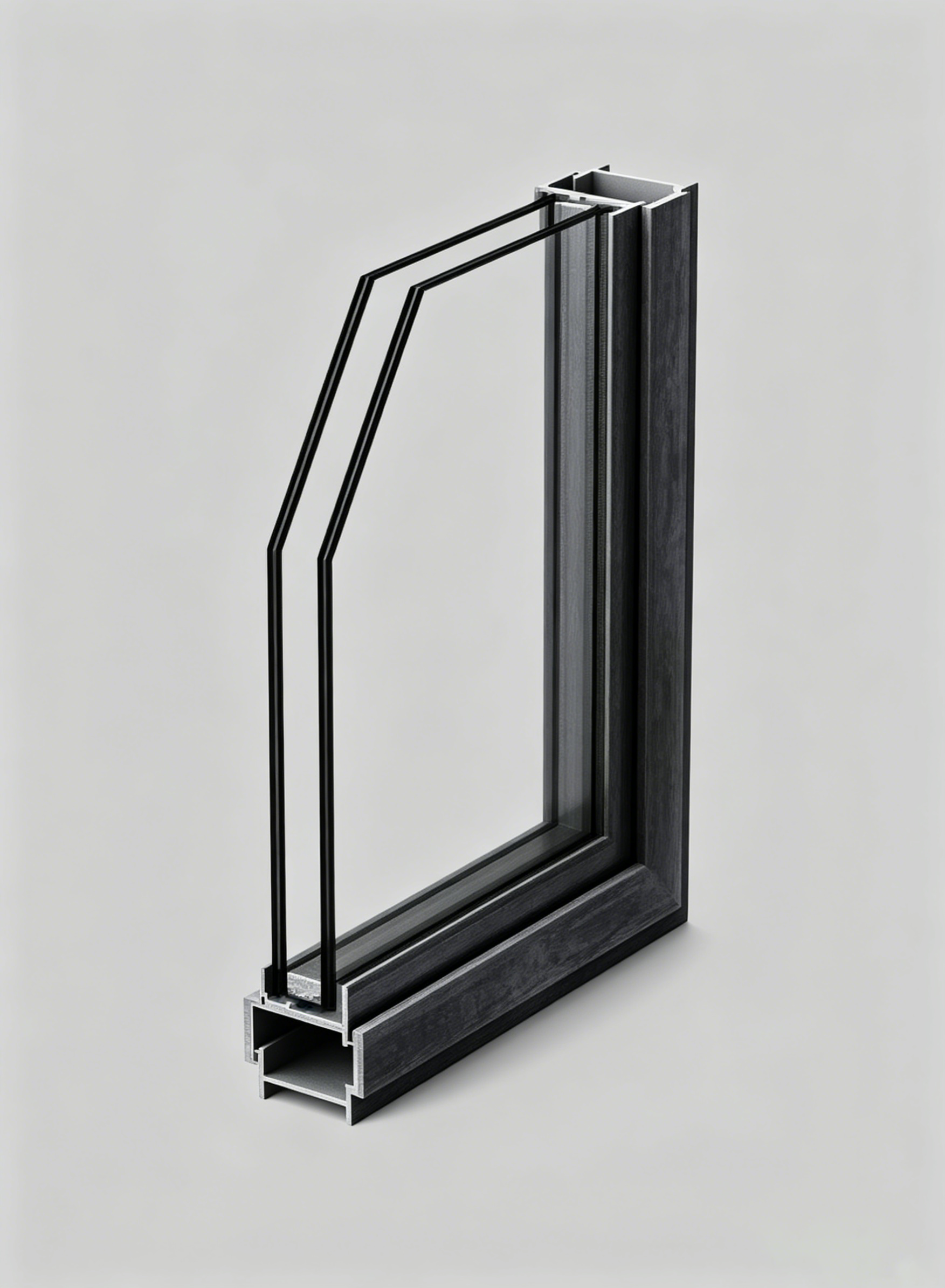
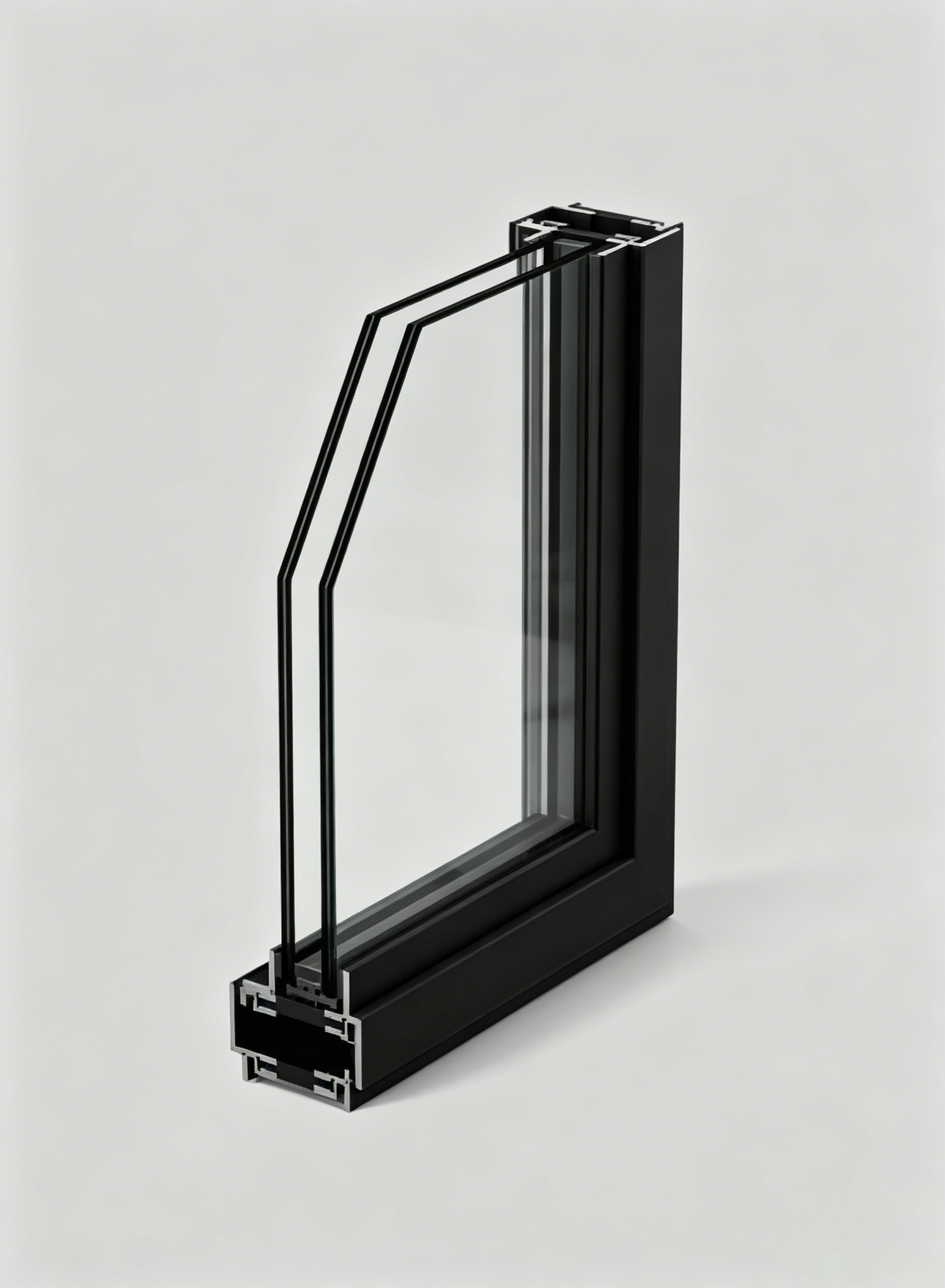
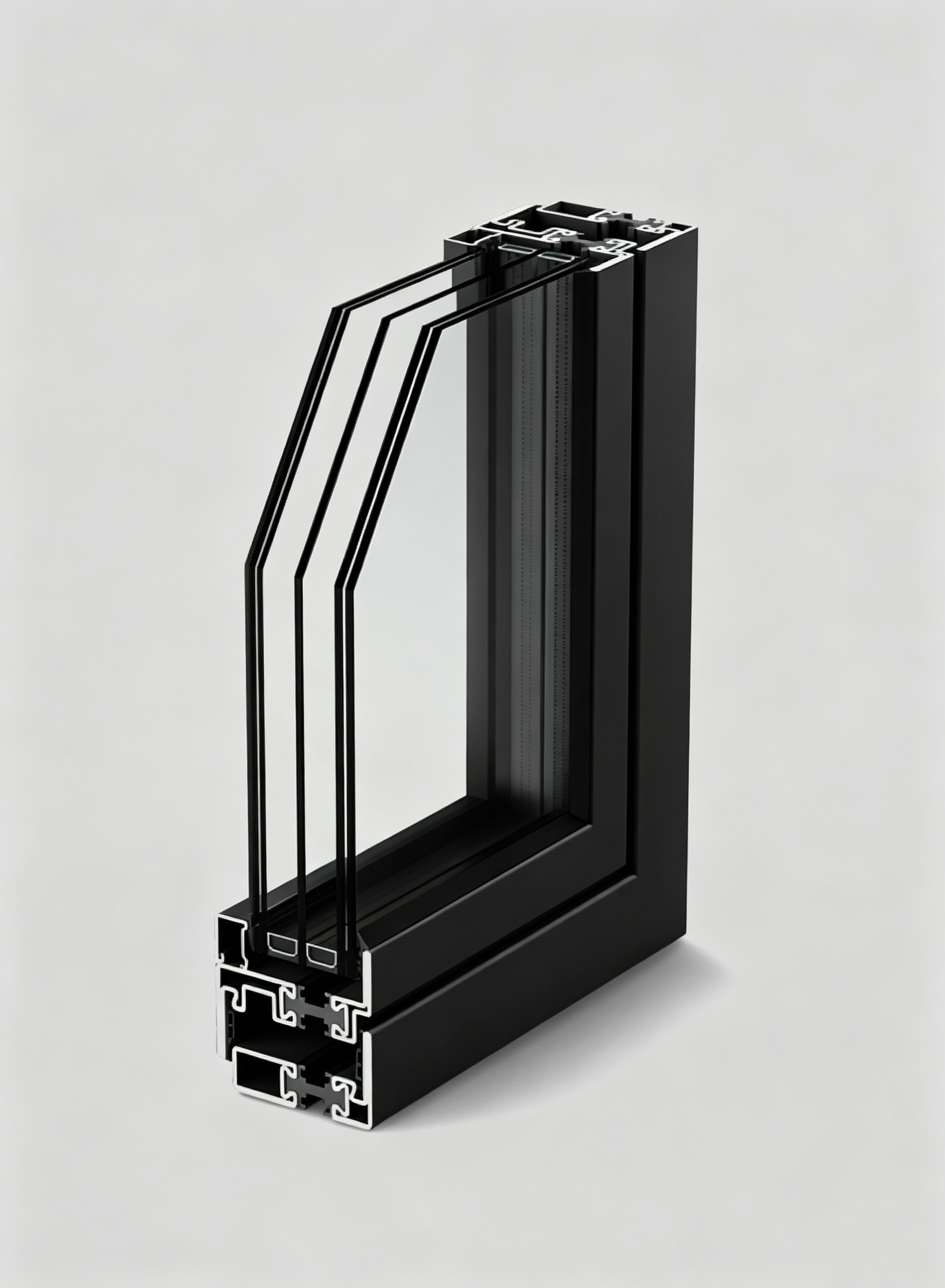
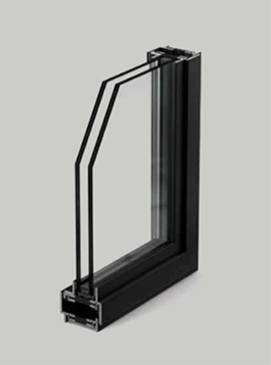
FerroFinestra W50 TB system maintains exactly the same shapes as the original hot-rolled FerroFinestra, in a thermal break solution.
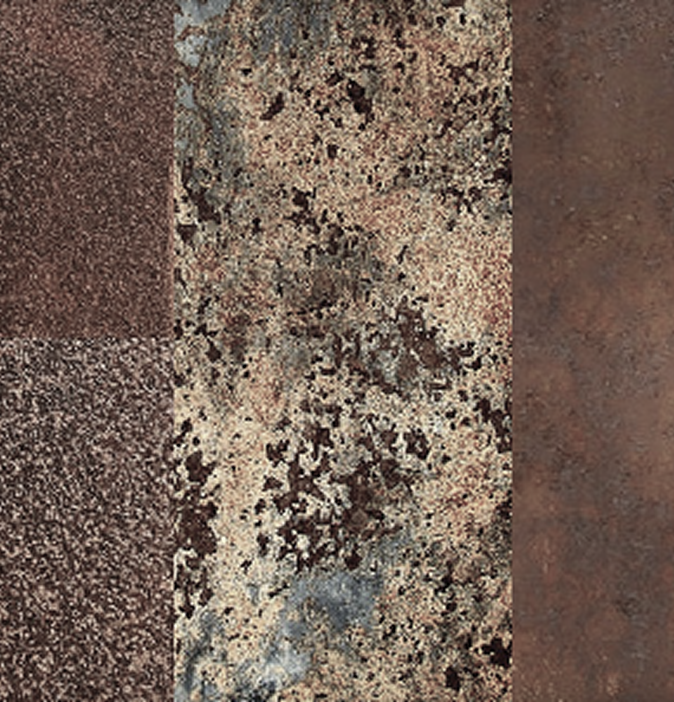
Materials-Weathered
Steel
One of the most interesting trends in building materials in recent years has been
the growing use of weathering steel—more commonly known by its brand name,
Corten. While this material has existed for decades, its popularity has surged over
the past ten years. Initially used in restoration projects, Corten steel is now
employed in a wide range of applications, from private residences and boutique
commercial buildings to large institutional structures.
Materials-Hot-Rolled
Steel
Hot-rolled steel profiles are by far the most distinctive and authentic material for door and window frames. Beyond their elegance and slimness, they boast unique manufacturing characteristics. The hot-rolling process imparts a special texture to the profile contours, enhancing the steel’s rustic simplicity and natural attributes. Rolling marks or slight surface imperfections are the result of precise fine-tuning of the tools used to shape these steel profiles. Architects often refer to them as “beauty marks,” which endow hot-rolled steel profiles with highly distinctive features and visual qualities.
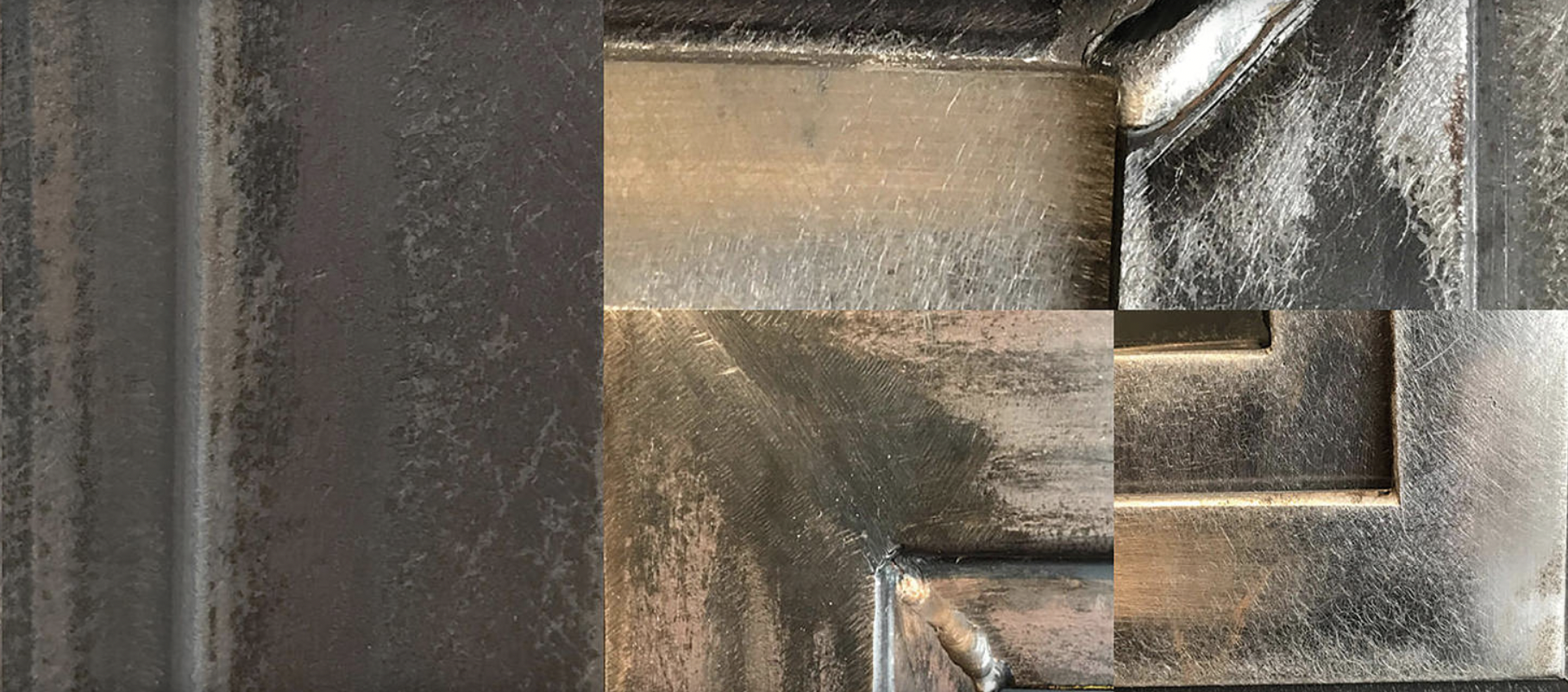
Materials-Cold-Rolled
Steel
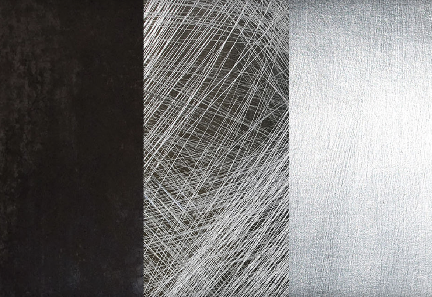
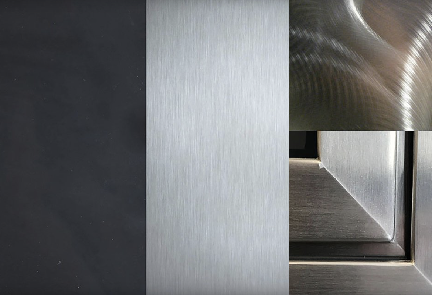
Doors and windows made from cold-rolled steel profiles are usually galvanized to enhance their oxidation resistance. Although cold-rolled steel profiles lack the characteristic “beauty marks” of hot-rolled steel, they still possess a highly distinctive texture. Their surfaces are uniform, and different visual effects can be achieved through brushing, polishing, or blackening treatments. Like natural hot-rolled profiles, the corners of doors and windows crafted from cold-rolled steel profiles are typically welded. Depending on the desired visual effect, the weld seams can be left in their natural state or smoothed flat. Furthermore, the weld seams can be accentuated by brushing to a silver metallic luster or blackened using specialized techniques.
Materials-Stainless
Steel
Since the 1920s, stainless steel has been highly favored and gradually widely applied in roofs, wall cladding, glazed curtain walls, doors and windows, among other applications. It has proven to be durable, functional, and aesthetically pleasing. Our door and window profiles are crafted from higher-alloyed molybdenum-containing 316/L stainless steel (1.4404). Stainless steel surfaces can also undergo various treatments, such as smooth brushed or polished finishes. “Black stainless steel” is particularly popular for its natural texture, a finish achieved by applying a special luster to brushed or bead-blasted surfaces. Doors and windows with this black finish are exceptionally unique and highly elegant.
Materials-Color-Coated
Steel
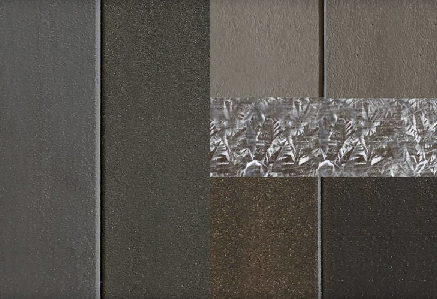
Doors and windows made from hot-rolled steel profiles are typically hot-dip galvanized, metallized (hot zinc spraying), or coated with zinc-rich primer. For cold-rolled steel profiles—especially those with thermal barriers—zinc-rich primer is the most common solution. It provides long-term corrosion protection for steel and serves as an ideal base coat for applying one of numerous RAL colors via powder coating or wet paint. When it comes to color-coated steel in contemporary architecture, architects and designers prefer dark finishes with a textured or slightly weathered appearance. For historic buildings, classic black or white paint is usually selected to preserve the original characteristics of the facade.
Materials-Architectural
Bronze
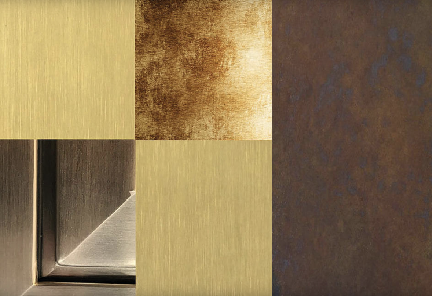
Bronze is one of the oldest metals known to humankind, dating back over 5,000 years to the Bronze Age. Regarded as a “living material,” it is affected by natural oxidation or weathering—its color fades from copper-red to golden-yellow, eventually settling into classic brown hues of varying shades. Contemporary architecture is rediscovering the value and beauty of this precious metal, which was a primary material for doors and windows in iconic commercial buildings and prestigious residences of the 18th and 19th centuries. The corners of doors and windows crafted from extruded brass profiles are typically brazed or welded, with the weld seams smoothed flat. For profiles with integrated thermal barriers, mechanical joining is usually the preferred method. Each door and window undergoes a final patination treatment to achieve a unique aging effect, tailored to the color and shade best suited for the project. Protective wax can be applied by hand to halt changes in the patina. In some projects, however, the natural golden luster of architectural bronze is favored. The visible surfaces of the frames are polished or brushed to create a smooth hairline finish. To prevent oxidation—which would turn it into the classic brown hue—a protective clear coat must be applied.
Get a professional solution
Contact us to get the
information you want